

There is great value in following a Bible reading plan that guides you through a few chapters each day. In fact, this is my primary method of Bible reading. But if that is the only way we read the Bible, we can still end up reading Scripture in fragments. The longer the sections of Scripture that we read at one time (or at least in quick succession), the more likely we are to understand the overall story and recognize connections within it. We need both macro-reading and micro-reading. We need to read big, and we need to read small. We read smaller portions of Scripture so that we can slow down, study, and see the details. We read larger portions so that we can see the overall story, make connections, and place those details in their broader context. Both are important if we want to understand the Bible well.
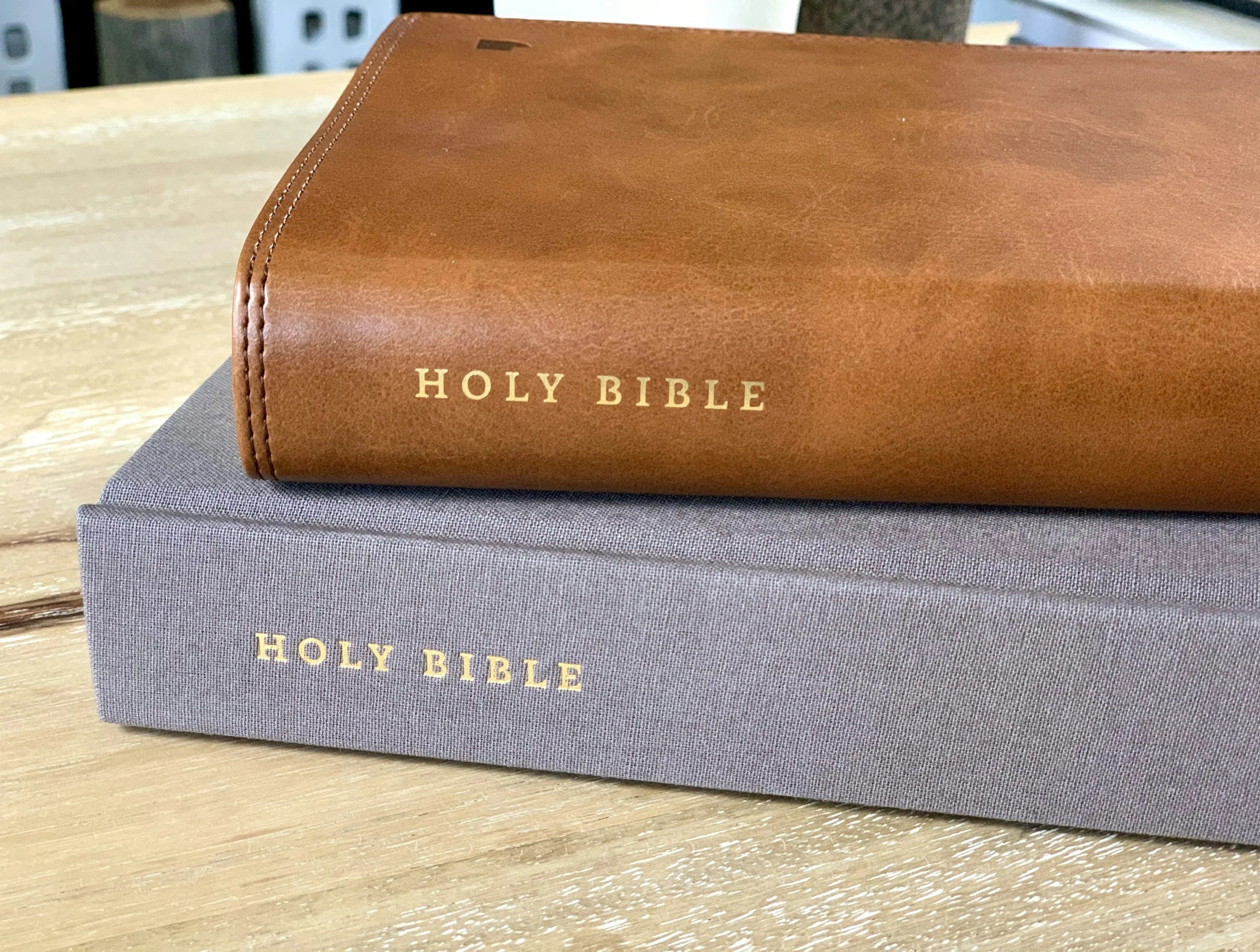
Transform Your Bible Reading (Tip #2)
Do you struggle to read the Bible consistently? When you read, do you feel things just aren’t making sense? Perhaps you read a few paragraphs or even a chapter, close your Bible, and realize that you are not really sure what you just read. You caught a few individual verses, but you missed how they fit together.
Transform Your Bible Reading (Tip #1)
As Christians in a modern world, we often forget about the embarrassment of riches we possess when it comes to Bibles and biblical resources. You likely own more than one copy of God’s Word and can also access it through the internet, a smartphone app, or Bible software. We should rejoice in these resources and thank God for providing such wonderful blessings. However, the Bible’s abundant accessibility can also make us callous toward it. The more we have of something, the less likely we are to see it as precious and valuable. Our all-access pass to the Bible can obscure that it is “more desirable than gold” and “sweeter than honey and the drippings of the honeycomb” (Ps. 19:10).